Boosting E-commerce Sales with Product Images
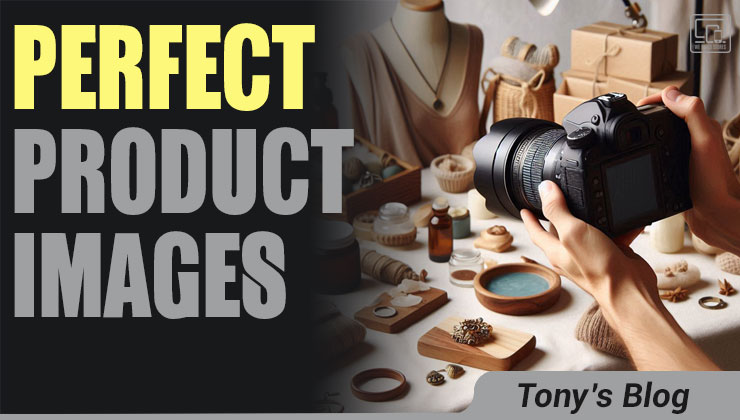
That’s why product images are one of the most critical parts of any online store. I’ve seen the difference first-hand — a client swaps out a few dull, badly lit product photos for clean, well-staged shots, and their conversion rate shifts almost overnight. It’s not magic. It’s just giving people what they need to make a decision.
In this piece, I’ll walk you through why product images matter so much, how to get them right, and how to make sure they’re not quietly slowing your site down while they’re at it.
The Role of Product Images in E-commerce
In a physical shop, customers interact with products directly — they feel the texture of a fabric, they gauge the weight of something in their hand, they hold it up to the light. Online, visuals are the closest substitute for all of that. Your images are doing the job that a customer’s hands would normally do.
That’s a staggering number, and it tells you something important: product images aren’t a nice-to-have. They’re your primary sales tool. I think of them as the difference between a browsing session and a sale.
Images that show products in high resolution, from multiple angles, and in real-life settings help customers picture that item in their own home, their own wardrobe, their own life. That mental leap — from “I’m looking at it” to “I can see myself owning it” — is where the sale happens. Good images build that confidence, reduce the hesitation, and nudge people towards checkout.
Best Practices for E-commerce Product Photography
1. High Resolution. Sharp, detailed images are non-negotiable. I’ve landed on product pages where the photos look like they were taken on a phone from 2012 — blurry, pixelated, slightly out of focus. It doesn’t just make the photo look bad. It makes the product look cheap. I make sure every image is crisp enough that customers can see the details that matter.
2. Multiple Angles. When you’re shopping in a physical store, you naturally pick something up, turn it around, and inspect it from every side. Online, I replicate that experience with front, side, back, and close-up views. I give the customer the full picture.
3. Zoom Capability. A zoom function lets customers examine the details that clinch the decision — the grain of the leather, the quality of the stitching, the texture of a fabric. I always make sure zoom is available because it builds trust in a way that static images alone can’t.
4. Lifestyle Photography. This is where the real selling happens. I use lifestyle images to show products in context — a handsome sofa in a lived-in sitting room, a pendant light hanging over a farmhouse table. These photos don’t just show the item. I use them to sell the experience of owning it.
5. Consistency. I keep a consistent look across all product images — similar backgrounds, similar lighting, similar angles. It creates a professional, cohesive feel across the whole site. When the visual language is consistent, the brand feels trustworthy.
How to Optimise Product Images for Website Performance
While high-quality images are essential, I always make sure they’re not quietly sabotaging the site’s performance behind the scenes. Slow load times drive customers away faster than almost anything else. Here’s how I handle it:
1. File Format. I use JPEGs for most product images because they strike the right balance between quality and file size. PNGs are better when I need transparency. I avoid BMPs and TIFFs entirely — they’re unnecessarily heavy and there’s no good reason to use them on the web.
2. Image Compression. I compress every image before it goes live, without letting the quality suffer. Tools like TinyPNG or ImageOptim make this straightforward. I’ve seen sites where a single uncompressed hero image was adding three seconds to the page load. That’s customers walking away.
3. Alt Text for SEO. I write descriptive, keyword-rich alt text for every product image. It serves two purposes — it makes the images accessible to users with visual impairments, and it helps search engines understand what’s on the page. I treat alt text as part of the SEO work, not an afterthought.
4. Mobile Optimisation. More people are shopping on their phones than ever before, so I make sure every product image loads quickly and displays properly across different screen sizes. If your images look beautiful on a desktop but take eight seconds to load on a mobile, you’ve already lost the sale.
The Psychology of Visuals in E-commerce
Visuals aren’t just about showing products — they’re about how a product makes someone feel. I’ve watched customers make purchasing decisions based almost entirely on emotion, and the right image is what triggers that response.
1. Emotional Impact. A carefully styled product image can evoke feelings of luxury, warmth, or excitement. I think about this deliberately when I’m setting up shoots or advising clients. A minimalist, clean product shot appeals to customers who are looking for elegance. Bright, colourful lifestyle images create energy and fun. I match the mood of the photography to the feeling the customer is chasing.
2. Colour Theory. I pay attention to colour because different colours trigger different emotional responses. Red creates urgency — that’s why you see it on sale banners everywhere. Blue signals trust and calm, which is why financial products and tech brands lean on it heavily. I use these principles when I’m advising clients on their product photography and page design.
3. Social Proof. Customer-generated photos — shared on social media or featured in product reviews — are some of the most powerful assets an ecommerce store can have. I encourage every store owner I work with to collect and display them because seeing real people using and enjoying a product builds trust in a way that no amount of professional photography can replicate on its own.
Learning from the Best
Some of the biggest ecommerce brands have mastered product photography, and I think it’s worth looking at what they do well.
Take Apple. Their product images are sleek, detailed, and stripped back — perfectly aligned with their brand identity. They let you see every detail, whether it’s the brushed aluminium finish on a MacBook or the precise curve of an iPhone’s edge. I find myself zooming in even when I have no intention of buying, which tells you everything about the quality of their imagery.
ASOS takes a different approach but executes it just as well. They use multiple angles, zoom functionality, and lifestyle shots so customers can view garments from every perspective. I’ve noticed they also include short video clips of models walking in the clothes, which gives customers a much better sense of fit and movement than any still image could.
How Good Product Images Influence Conversion Rates
The direct impact of high-quality product images on conversion rates is something I’ve seen play out with my own clients. A report by Salsify found that 78% of online shoppers want images that bring products to life — and brands that invest in professional photography consistently see measurable increases in conversions.
Clear, detailed photos reduce uncertainty. And uncertainty is the enemy of every ecommerce checkout. When customers can see exactly what they’re getting, they make more informed decisions, they feel more confident, and they’re less likely to return the product.
The flip side is equally true. I’ve audited ecommerce sites where blurry, insufficient images were actively driving customers away. One client had a beautiful product range but was photographing everything on a cluttered kitchen table with overhead fluorescent lighting. The products looked cheap. The site felt untrustworthy. I sorted the photography out and the bounce rate on those product pages dropped noticeably within a fortnight.
Using Video and 360-degree Product Views
As ecommerce evolves, I’m seeing more stores move towards video content and 360-degree views. I think this is a smart move for the right products.
From unboxing videos to product demonstrations, video adds a layer of engagement and trust that static images can’t match. I’ve started advising ecommerce businesses to create simple, well-lit product videos — nothing elaborate, just thirty seconds showing the product from every angle, in use, in context.
360-degree product views are particularly effective for items where shape, proportion, and detail matter — furniture, jewellery, bags. I’ve implemented these for clients in the luxury homeware space and the feedback from their customers has been consistently positive. People spend more time on the page, and they buy with more confidence.
Wrapping It Up
If you need help getting your ecommerce site’s visuals right, I’d be happy to talk it through. At We Build Stores, I specialise in creating visually compelling, high-converting ecommerce websites that actually deliver results. Get in touch and I’ll show you what’s possible.
Related E-commerce Articles
- Complete Guide to Pay Monthly Websites - Choose the right platform for your visual-first approach
- Multi-Channel Selling Strategy Guide - Optimise product images across all sales channels
- UK Shopify Shipping Solutions - Complete your professional e-commerce setup
- Escaping WordPress and Elementor to Astro - Why modern frameworks deliver better visual performance
- Migrating from EKM to Shopify - Keep your product images during platform migration

Tony Cooper
Founder
Put My Crackerjack Digital Marketing Skills To Work On Your Next Website Design Project!
Get Started